


Merchandising Made Easy: 12 Tips from Mud Pie’s Head Showroom Designer
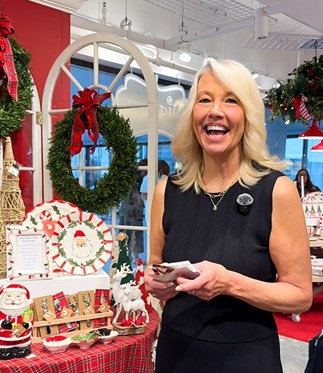
At this season’s Atlanta Market, Mud Pie's Head Showroom Designer, Jill, shared some of her favorite merchandising strategies with retailers throughout our showroom. From creating impactful displays to encouraging add-on sales, these simple techniques can help transform product presentations into memorable shopping experiences!
- Cross Merchandise Collections
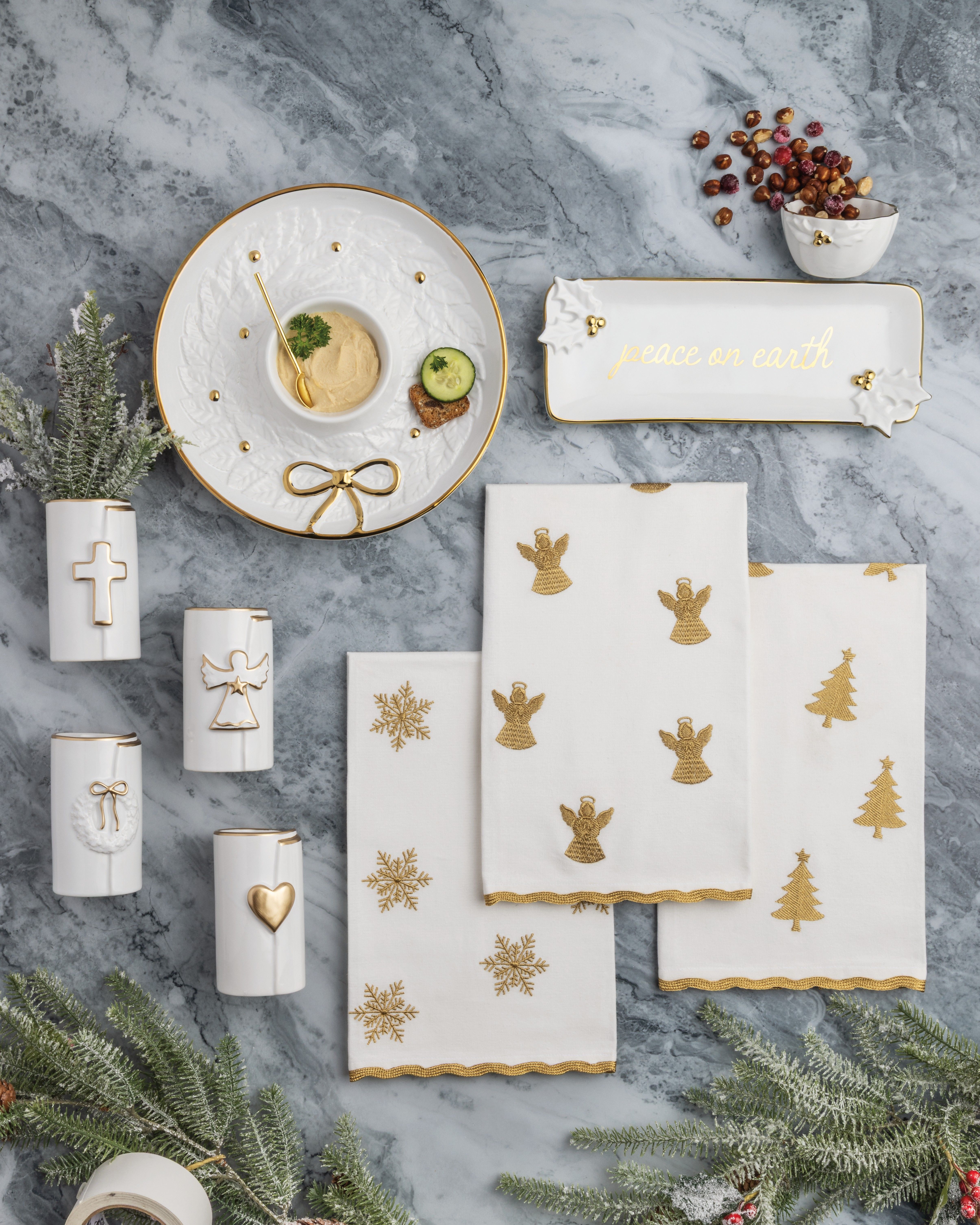
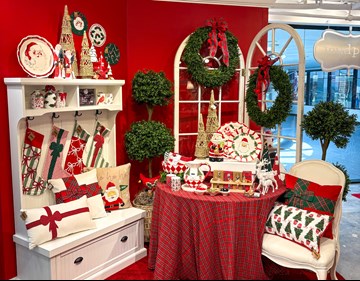
Some of the most successful displays combine multiple collections that share a similar color palette or theme. While patterns may vary, coordinating products from different collections creates a layered, curated look that feels intentional and inspires customers to shop across categories.
- Build Around a Hero Piece
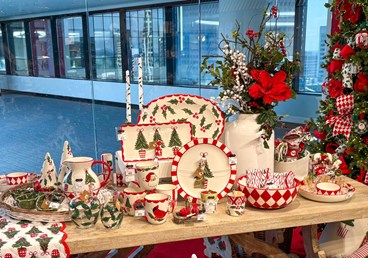
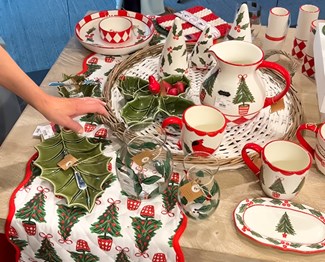
Every great tabletop display starts with a focal point. Begin with a statement piece, such as a platter or serving bowl, then layer medium and smaller items around it. Think in a triangle formation to create balance and visual interest, and be sure the display looks beautiful from every angle. Mixing patterned and solid pieces helps prevent displays from feeling too busy, while florals can add height and serve as a natural focal point.
- Sell the Feeling, Not Just the Product
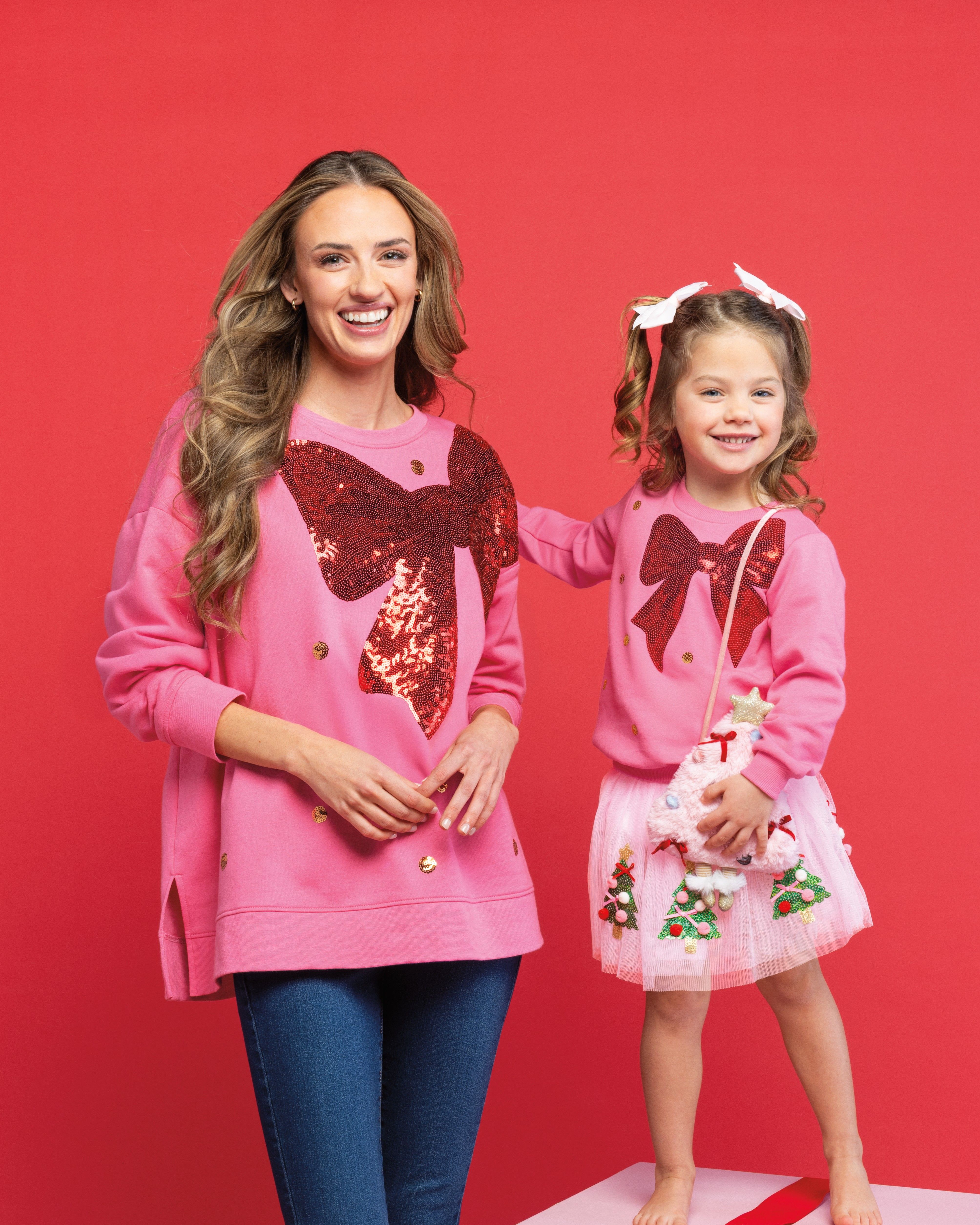
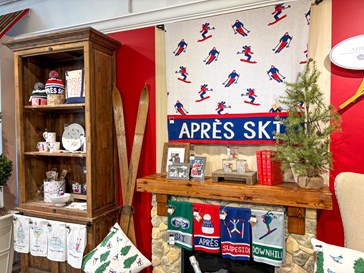
Customers often connect with a lifestyle moment more than a specific item. Whether it's a cozy ski-inspired collection, holiday entertaining pieces, or seasonal décor, create displays that evoke an experience. Even if a customer doesn't ski, they can still imagine gathering around a fire with family and friends. Merchandising around a feeling encourages add-on purchases and makes gifting easier.
- Use Color Blocking to Create Impact
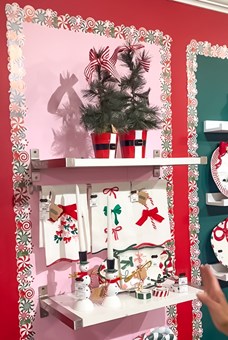
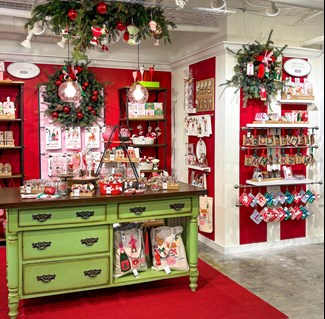
One of the easiest ways to make products stand out is by placing them against a solid color backdrop. Color blocking helps draw attention to key items and creates visual separation throughout the store. Simple solutions like peel-and-stick wallpaper can make a dramatic impact without requiring a large investment.
- Leverage Repetition
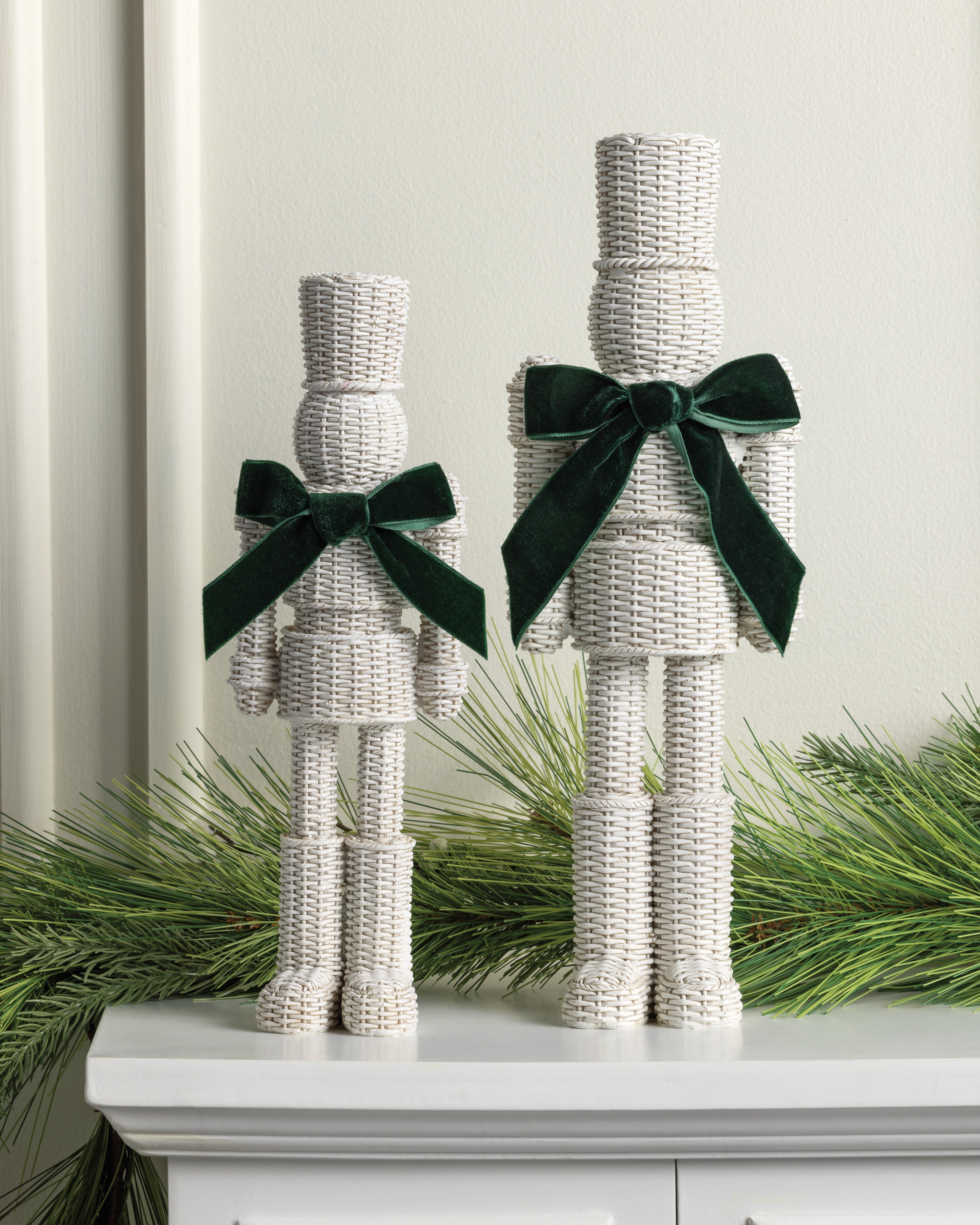
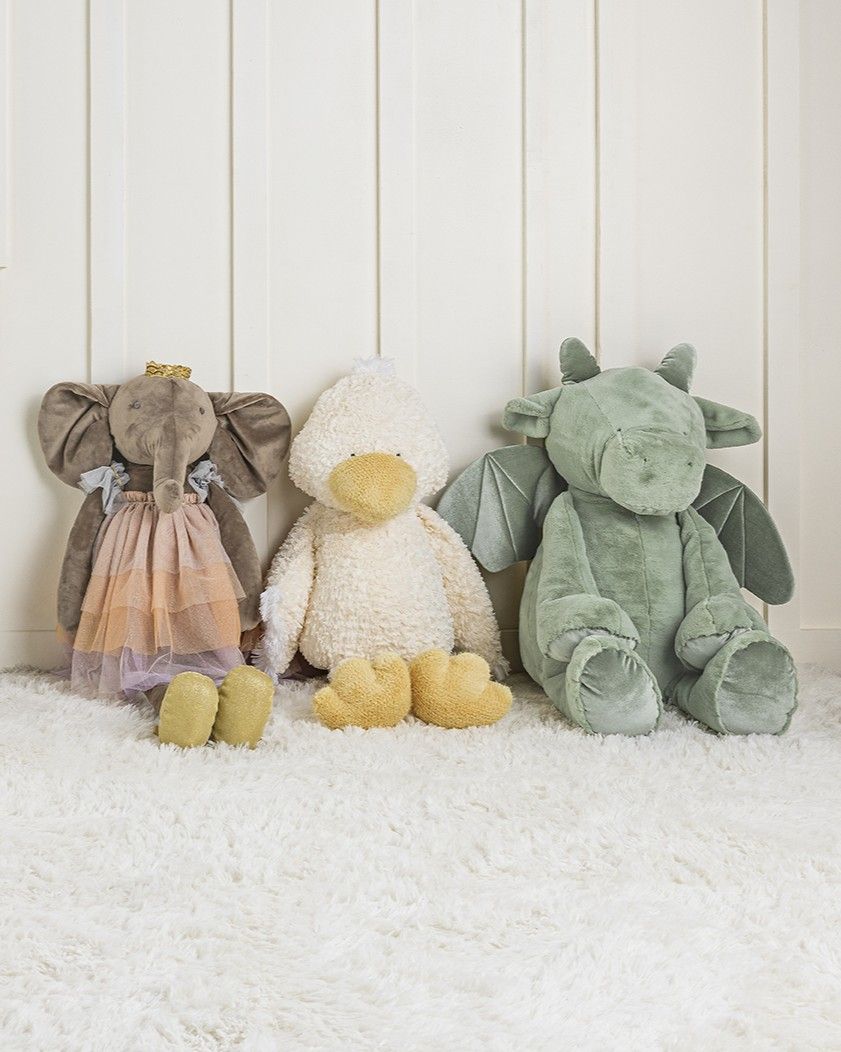
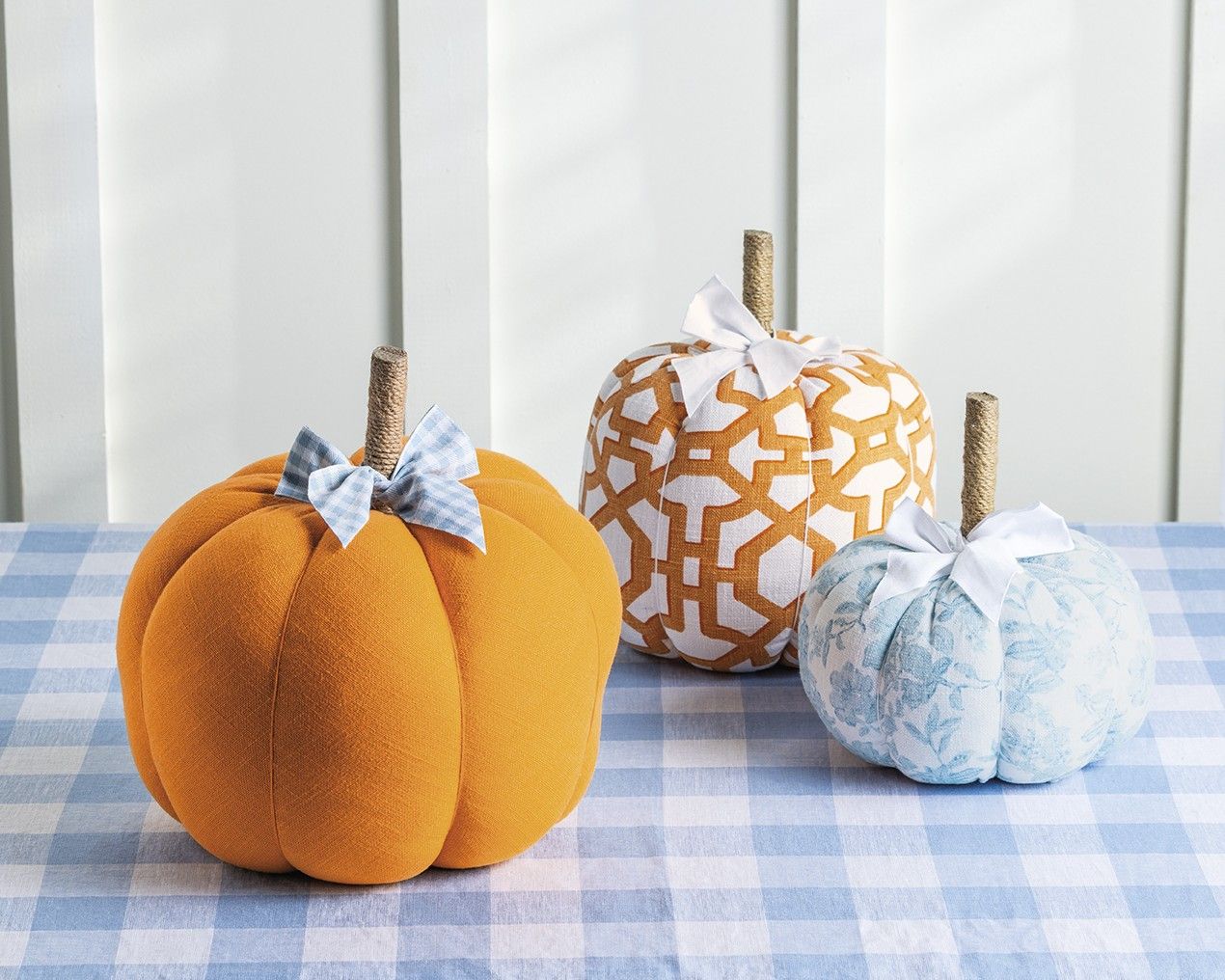
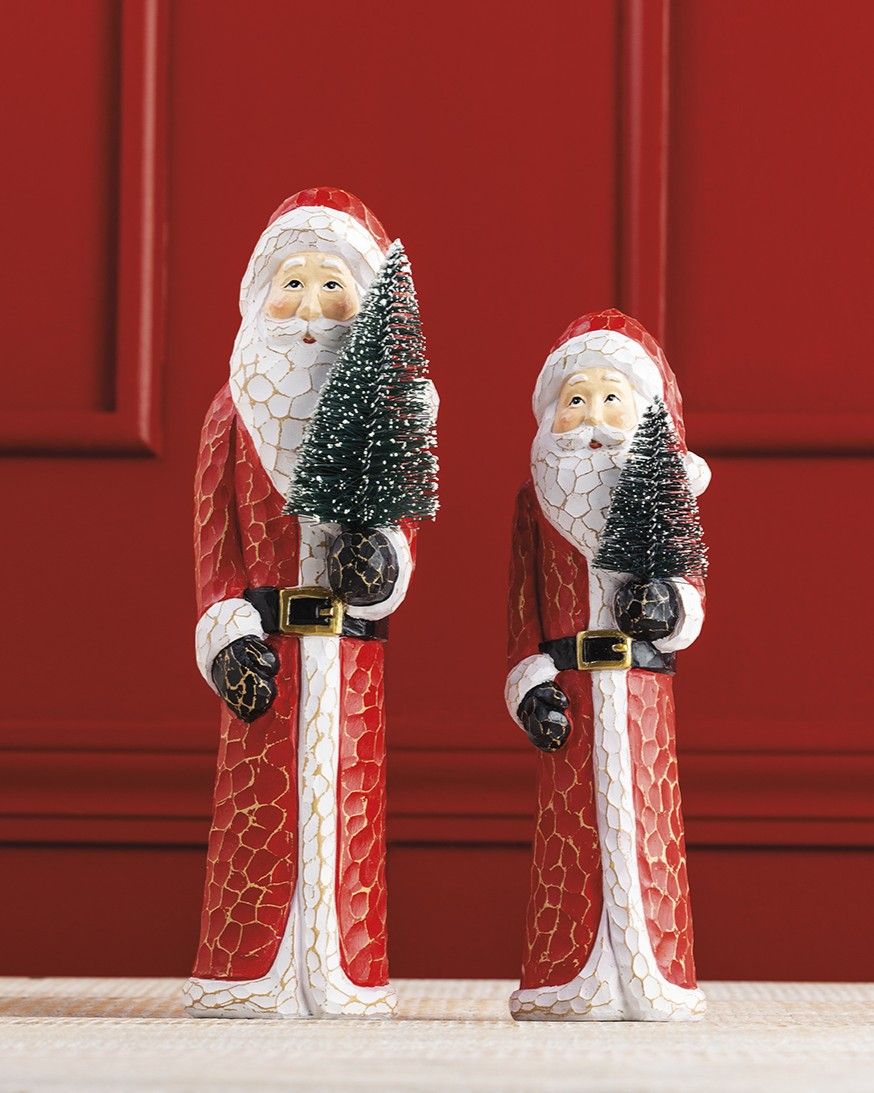
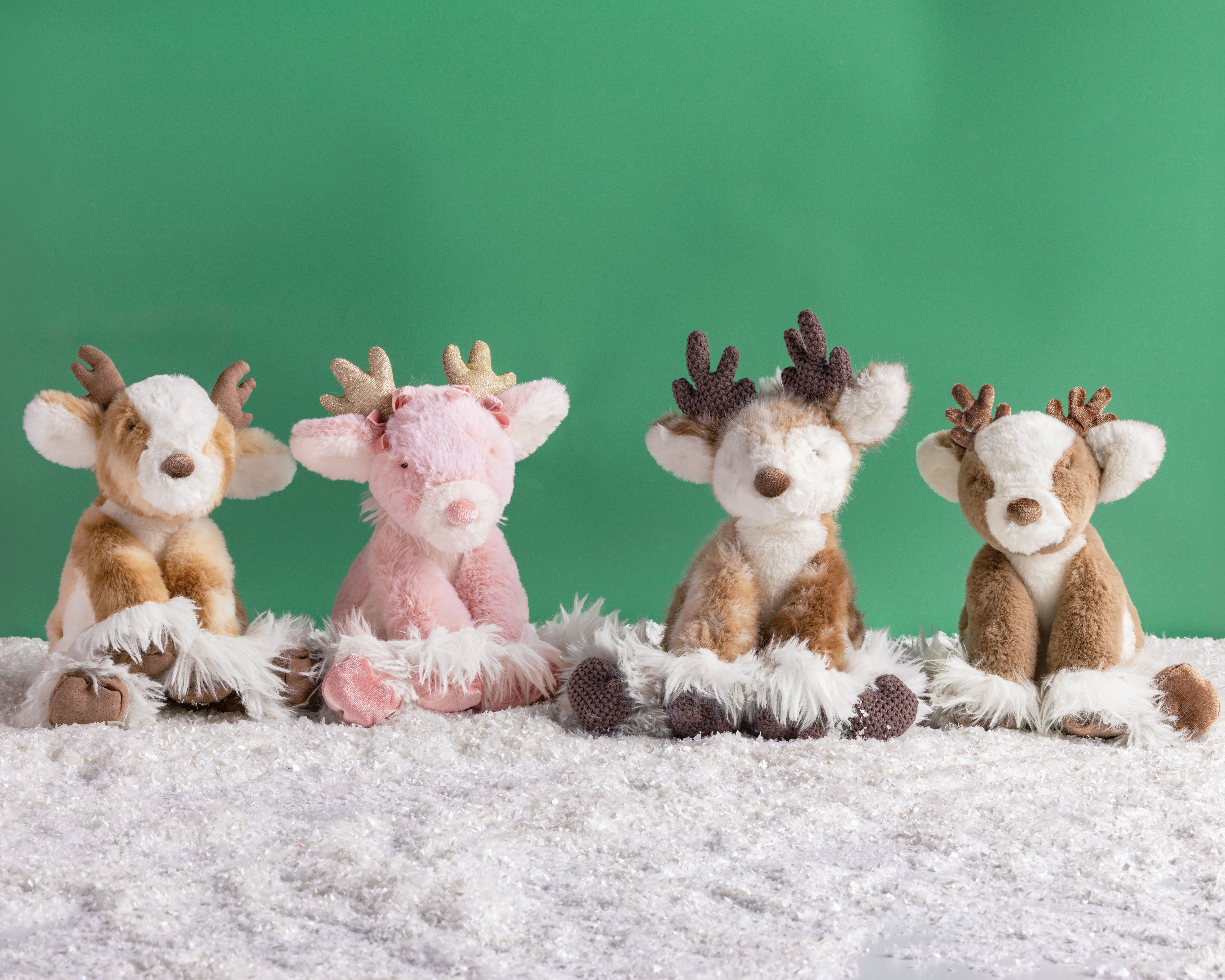
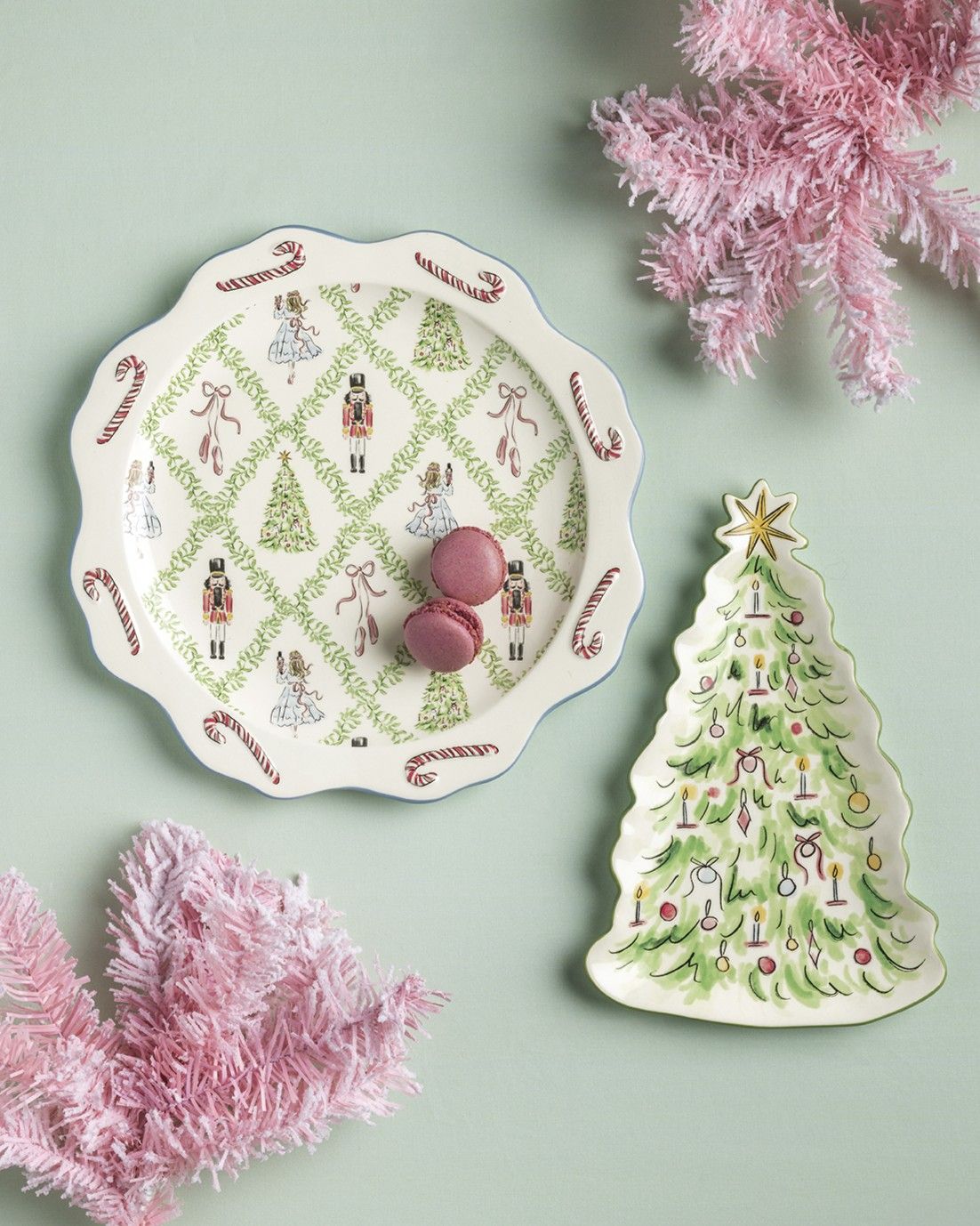
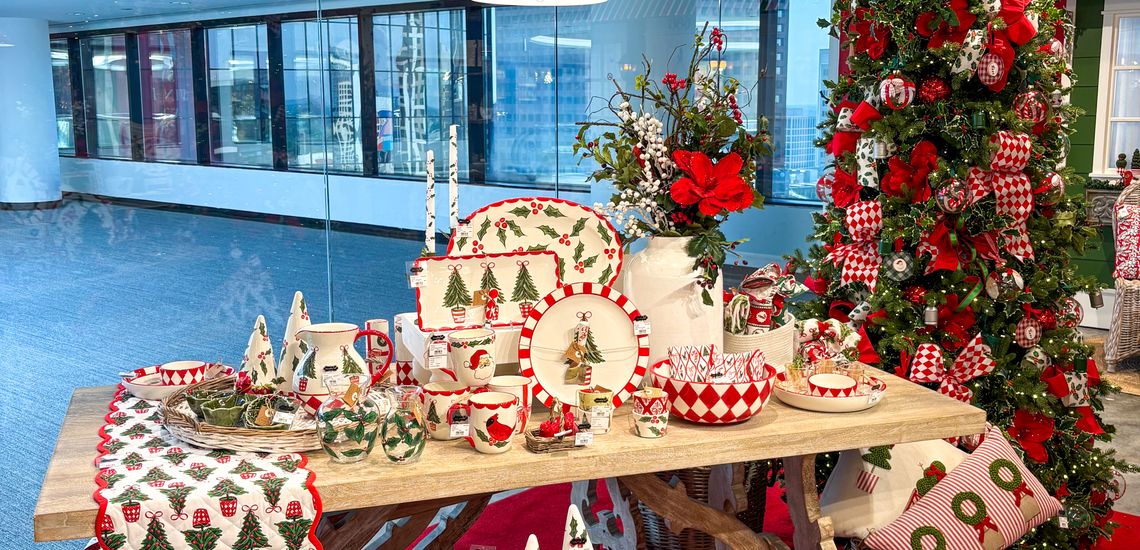
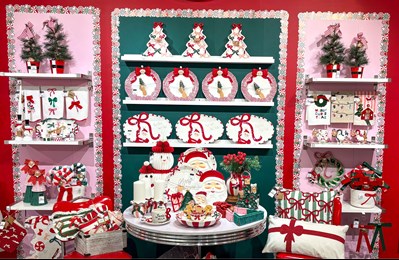
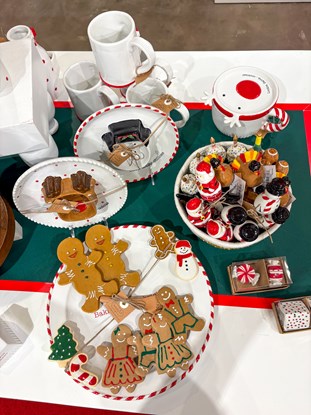
Don't be afraid to show multiples. Repeating a product creates instant visual impact and helps a collection feel more substantial. In our holiday platter display, layering several coordinating pieces together creates a bold presentation that catches the customer's eye and reinforces the overall theme. Repetition is one of the simplest ways to create a high-end merchandising look while making displays easy to maintain throughout the season.
Jill also recommends taking repetition a step further by incorporating movement and storytelling into a display. In past seasons, she has arranged fish-shaped plates to resemble a school of fish swimming together and grouped Easter chick décor to create the feel of a pen of chicks. These creative touches make displays more memorable and help bring products to life for shoppers.
- Create Micro Moments
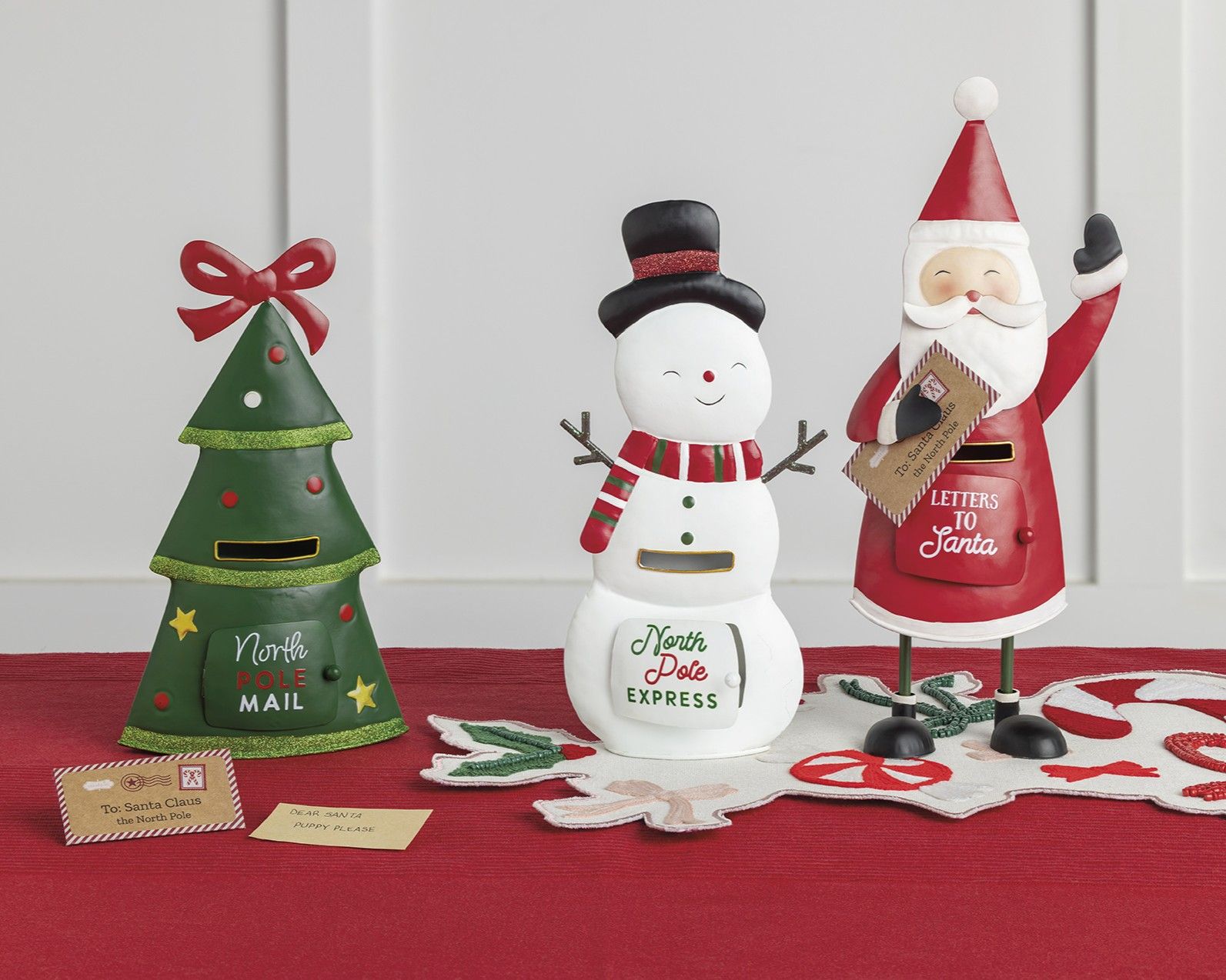
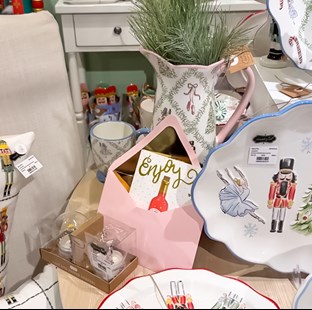
The smallest details often leave the biggest impression. Thoughtful touches such as handwritten notes, thank-you cards, styled gift pairings, or coordinated accessories can elevate the customer experience. These micro moments help customers envision how products can be gifted, used, and enjoyed in their own lives.
- Consider Customer Flow
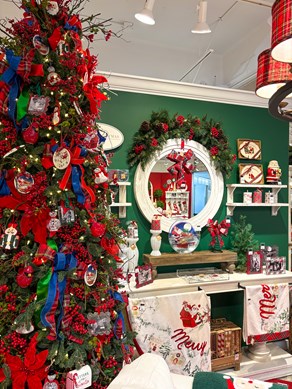
Understanding how shoppers move through your store is just as important as the displays themselves. Most customers naturally turn right when entering, making it important to create strong focal points throughout the store that encourage exploration. The front of the store acts as a decompression zone, so eye-catching displays near the entrance can help slow shoppers down and capture their attention. Bright lighting and compelling displays in the back of the store can further encourage traffic throughout the entire space.
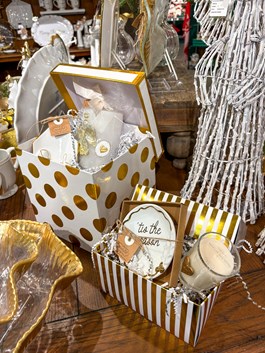
- Merchandise Open and Boxed Products Together
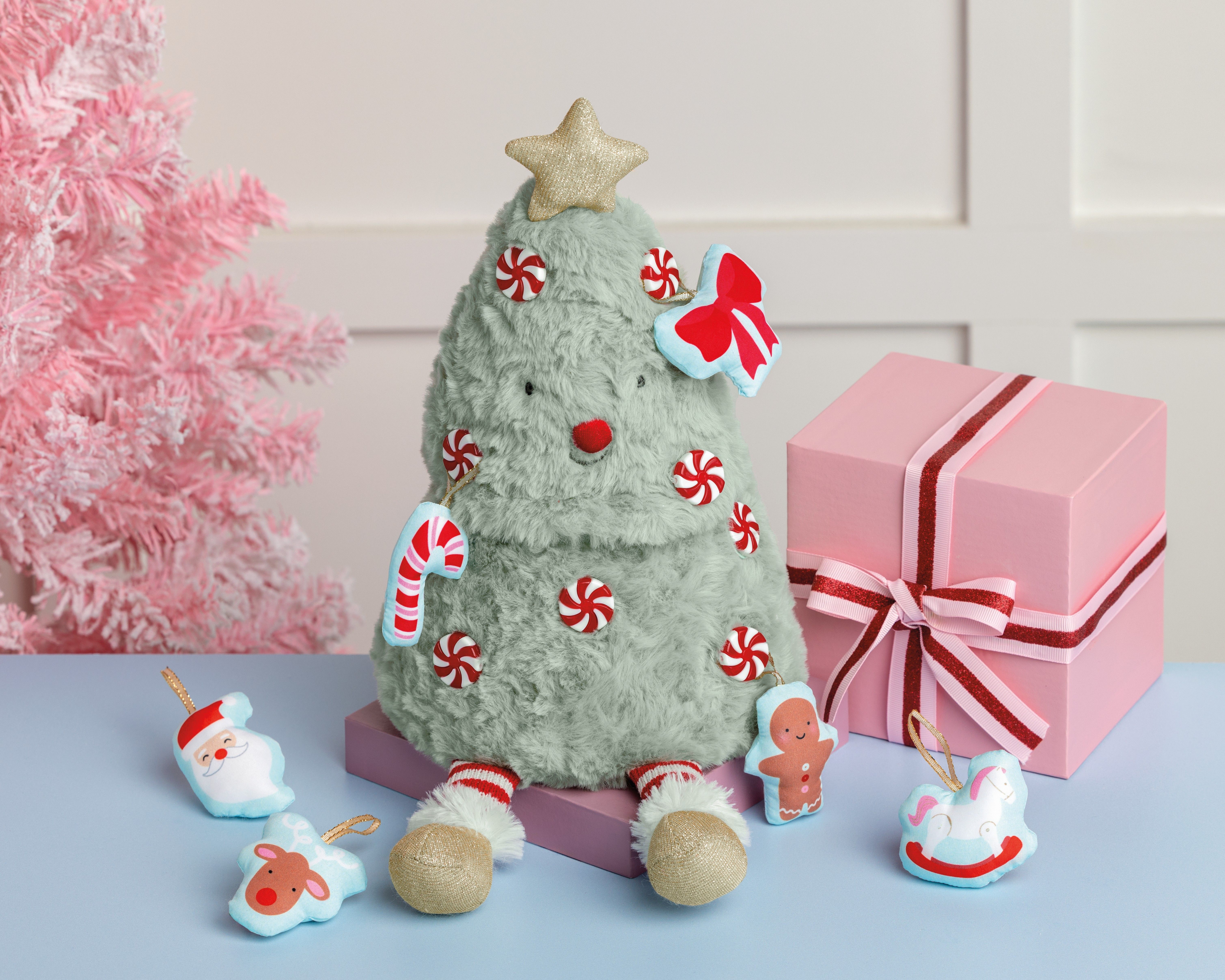
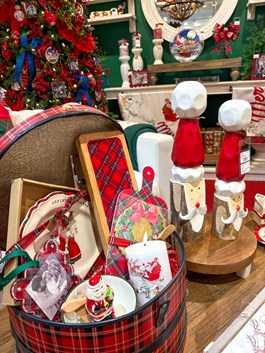
Help customers envision the perfect gift by grouping complementary products together. Leaving gift boxes open and pairing coordinating items creates inspiration while encouraging add-on purchases.
Displaying both boxed and unboxed products also helps customers see the true size, color, texture, and quality of each piece while also providing gift-giving inspiration.
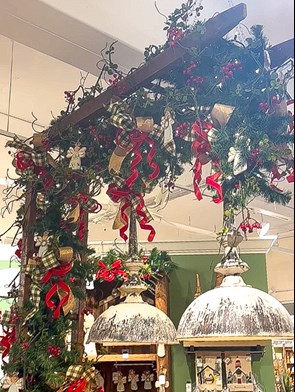
- Use Focal Points to Guide the Customer Journey
Large-scale props and statement pieces can help move customers through your store and create visual interest throughout the shopping experience. In this display, a ladder draped with Christmas garland serves as a strong focal point, drawing attention and helping anchor the surrounding merchandise. Statement pieces like these naturally guide shoppers through the space and encourage them to explore beyond the first display they encounter.
In past seasons, Jill has used the same ladder to showcase flower baskets in spring, decorative pillows, and grapevine accents. Investing in a few adaptable props allows retailers to refresh displays season after season while maximizing their merchandising budget.
- Prioritize Eye-Level Merchandising
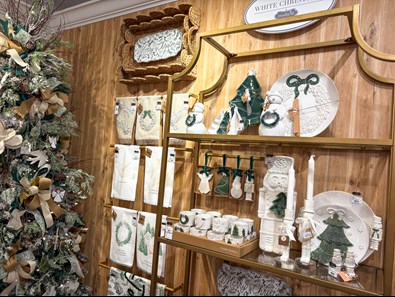
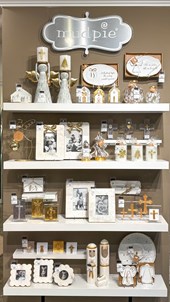
The products you most want customers to notice should be displayed at eye level. Use the rule of threes by staggering larger items in a triangular arrangement across shelves. Since shoppers naturally read from left to right, placing key products toward the left side of a display and creating a visual zig-zag pattern helps guide the eye through the assortment.
- Create Relatable Lifestyle Scenes
Help customers imagine products in use by creating realistic lifestyle moments. Faux food, decorative ice, seasonal ingredients, and sensory elements can all make displays feel more authentic. A platter styled with baked goods or a display featuring cinnamon sticks creates a stronger emotional connection and inspires customers to envision products in their own homes.
- Keep Displays Fresh
Even the best displays lose impact over time. Regularly updating merchandise presentations, rotating products, and introducing seasonal elements gives customers a reason to return and explore what's new. Fresh displays keep stores feeling dynamic and help maintain shopper engagement throughout the year.
Bringing It All Together
Great merchandising isn't about filling shelves, it's about telling stories, creating experiences, and helping customers envision how products fit into their lives. By combining thoughtful layouts, strong focal points, lifestyle-driven displays, and small details that delight, retailers can create shopping experiences that drive both engagement and sales.